
Sheet · Tube · Coil · Large format
Laser Cutting Machine Solutions
Choose a fiber laser cutting platform around the workpiece—not a generic power number. Compare six system families for flat sheet, tube, profiles, metal coil and large-format plate.
Standard and large-format plates
Integrated or automatic systems
Continuous feed production
01 / Start with the workpiece
One cutting category.
Six different production paths.
The most useful first decision is how material enters the machine: as flat sheet, long tube, oversized plate or coil. From there, power, table format, loading method and automation can be matched to the actual production plan.
02 / Machine families
Find the platform that fits
your material flow.
Catalog model families and laser-power ranges are shown as a selection baseline. Final configuration depends on the application.
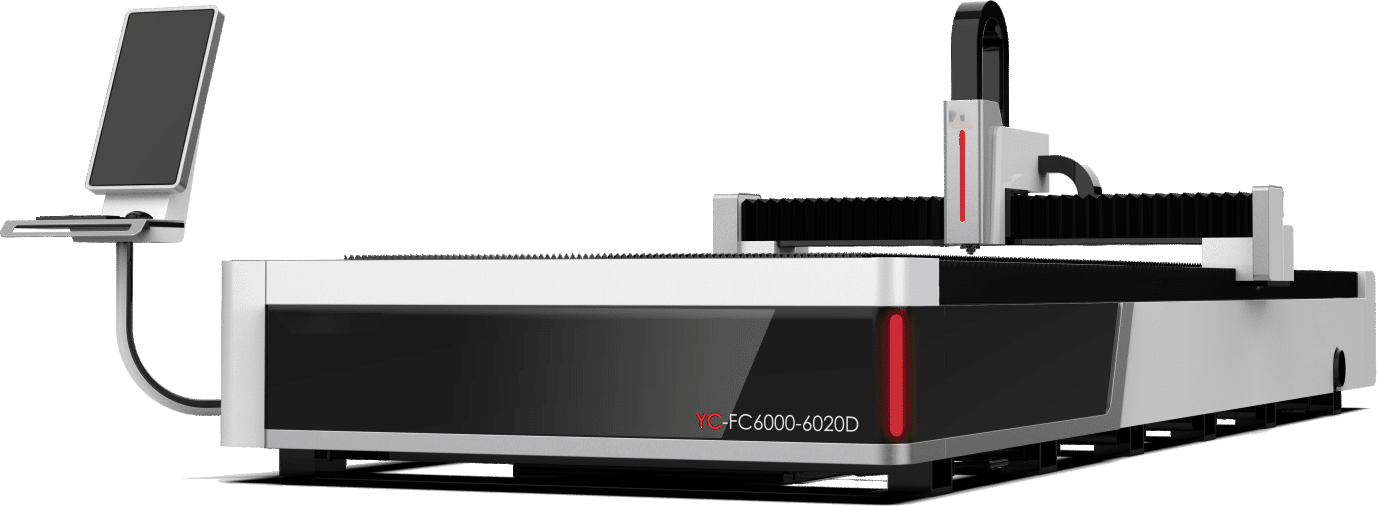
Plate Fiber Laser Cutting Machine
A practical flatbed platform for standard sheet formats and large-format plate work, configured around the required table size, material and output.
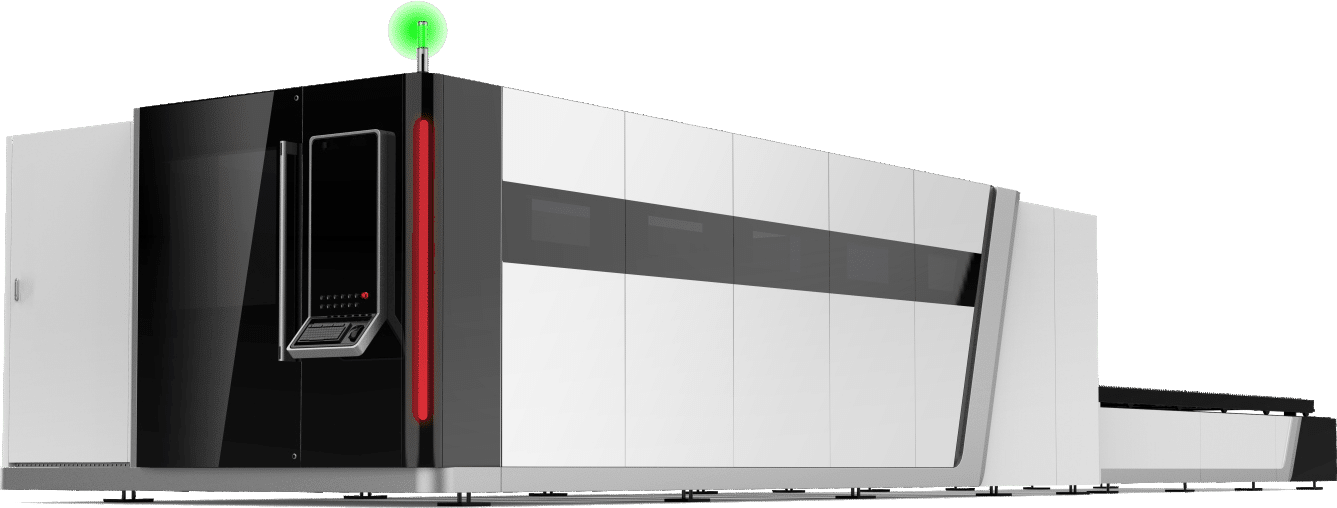
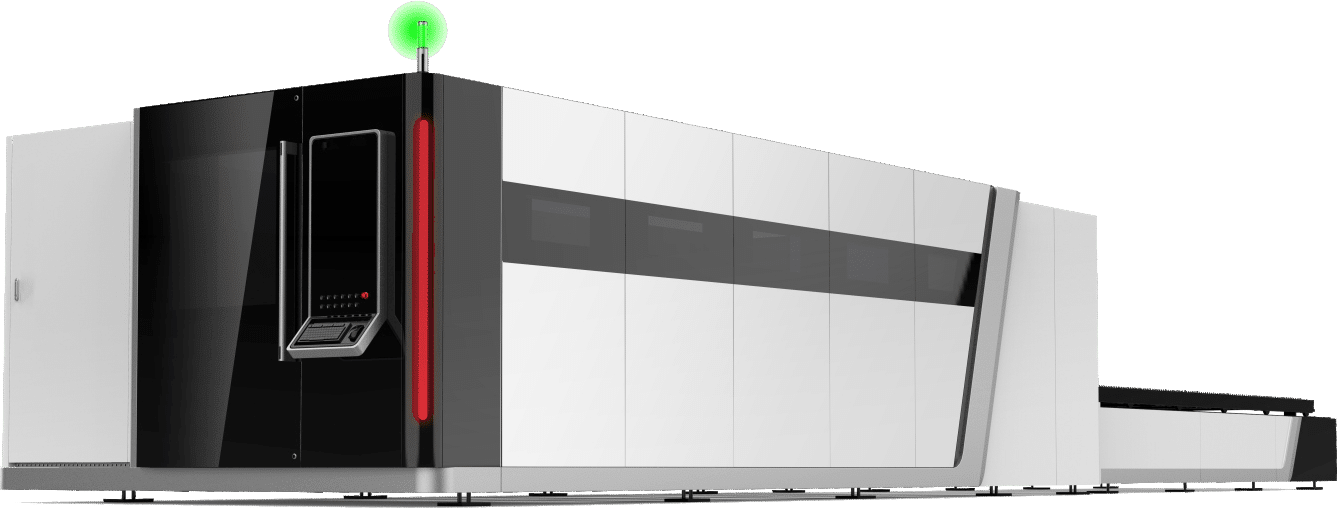
High Power Fiber Laser Cutting Machine
An enclosed high-power platform with exchange tables for sheet processing where thicker material, production continuity and operator protection are priorities.
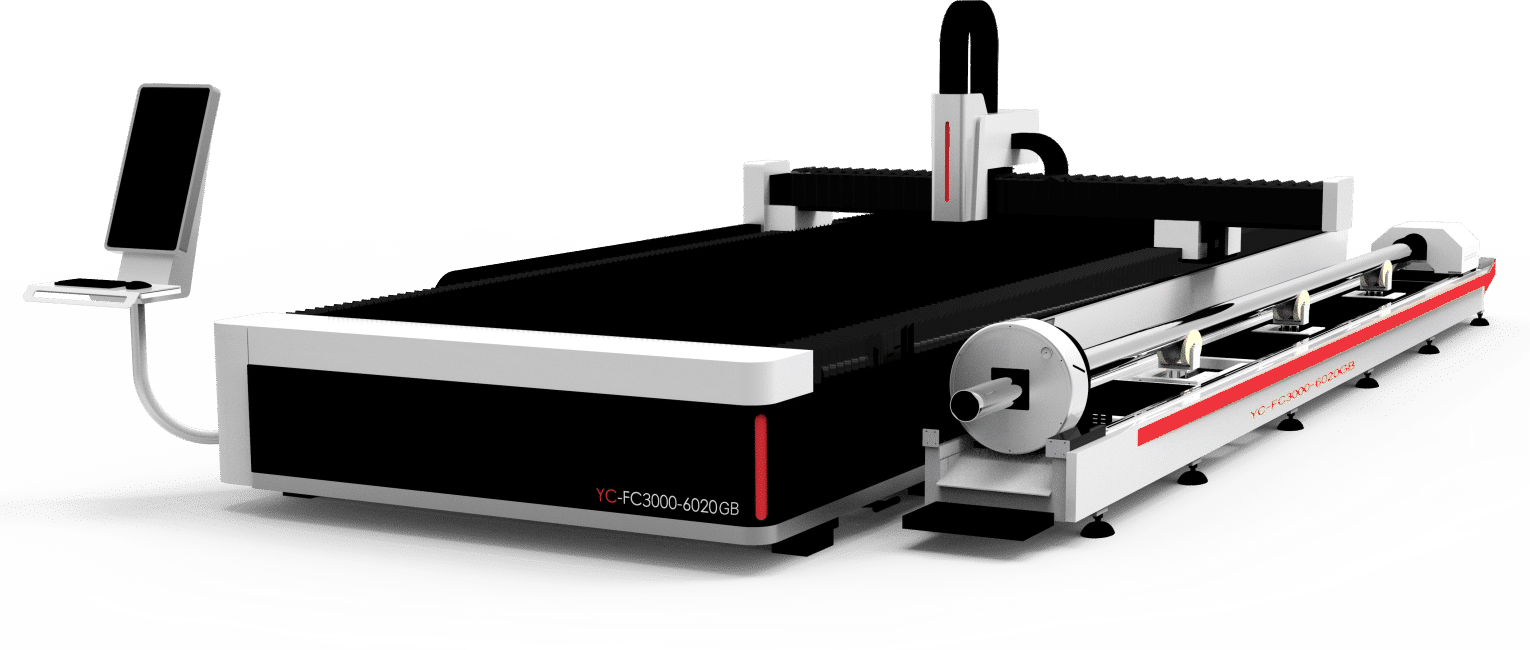
Tube & Plate Fiber Laser Cutting Machine
Combines sheet and tube processing in one footprint for factories that need both capabilities without installing two separate laser systems.
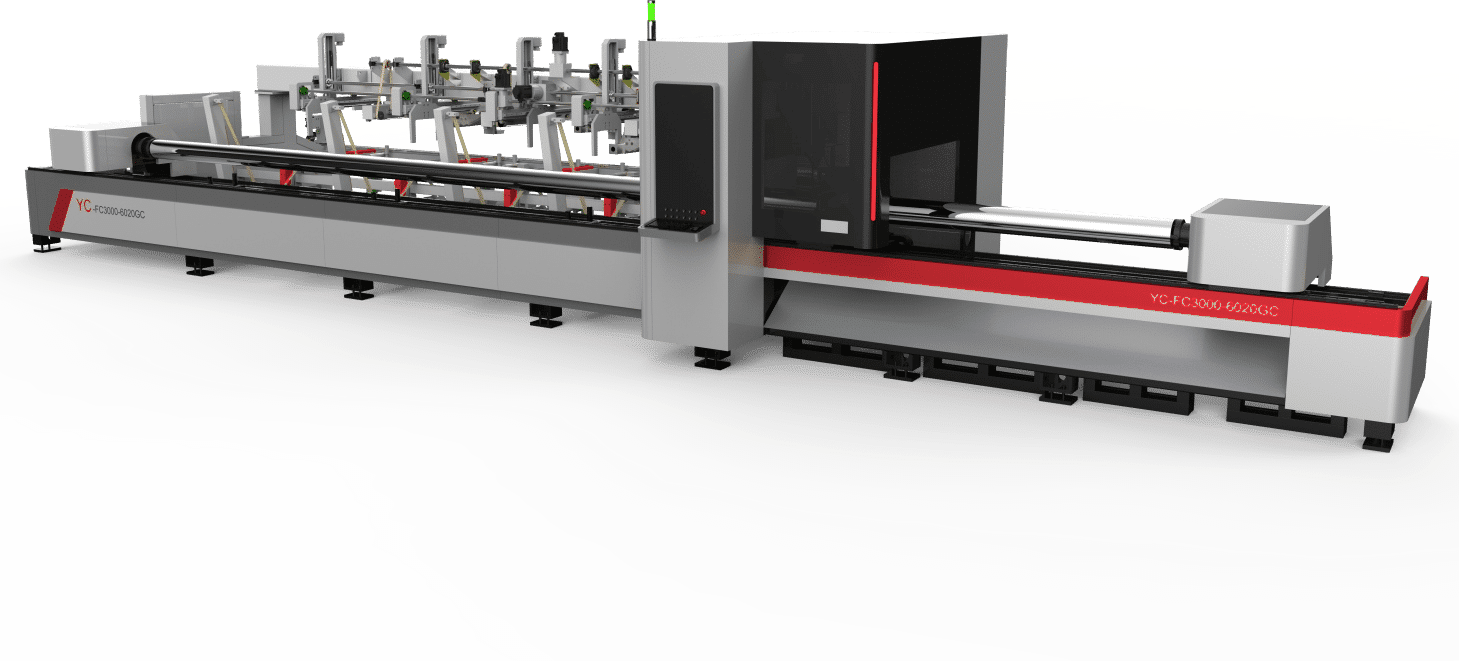
Automatic Tube Fiber Laser Cutting Machine
A production-oriented tube system for repeated batches of pipe and profiles, with the final loading, chuck and length configuration defined by the workpiece range.
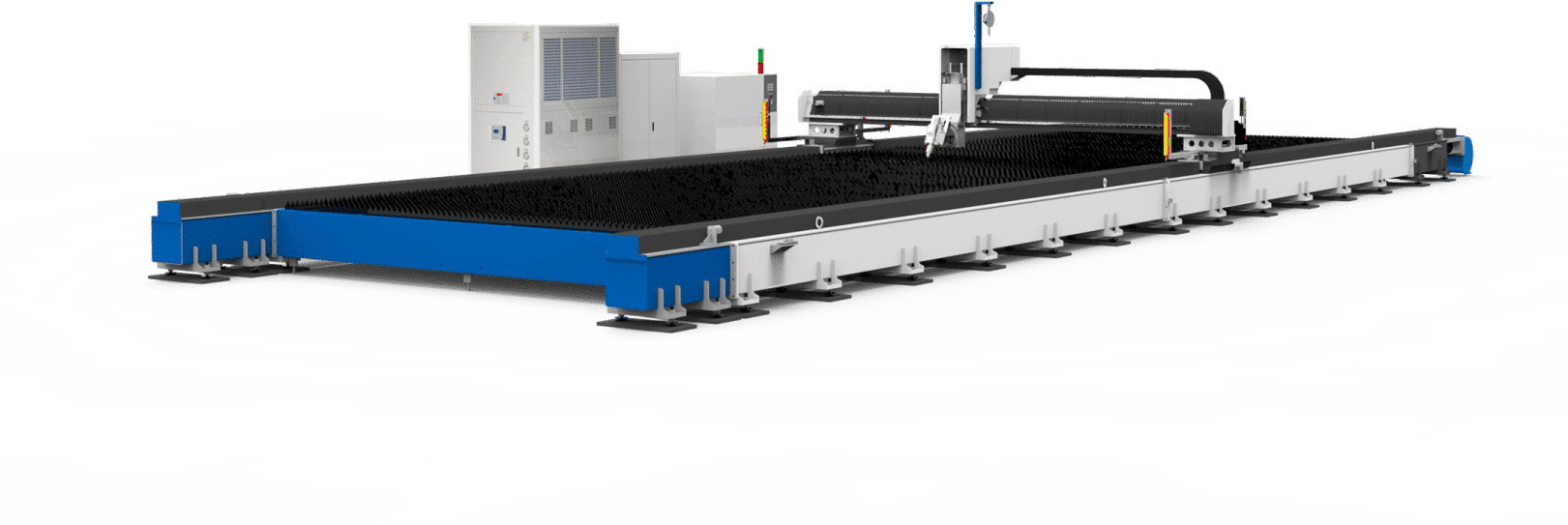
Ground-Rail Fiber Laser Cutting Machine
A long-format ground-rail solution for oversized sheet and heavy plate. Bed length, loading method and foundation planning are confirmed at project stage.
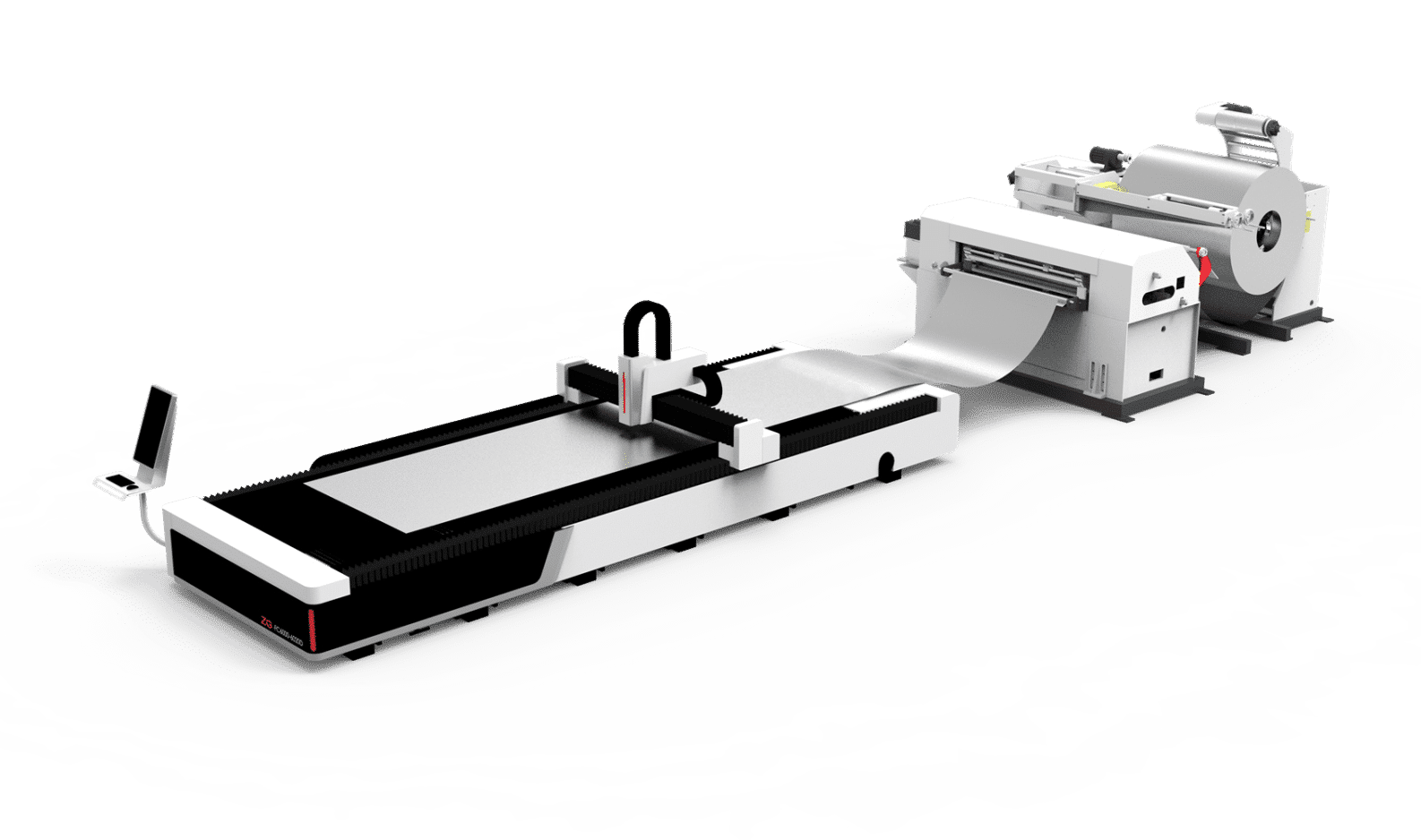
Coil-Fed Fiber Laser Cutting Machine
Integrates coil handling and laser cutting for continuous sheet production. Coil width, thickness, leveling and downstream handling must be specified together.
03 / Quick comparison
Compare by workpiece
and material handling.
Power is only one decision. Table format, loading, part geometry and production flow usually narrow the choice faster.
| Machine family | Workpiece | Material handling | Catalog power range | Best fit |
|---|---|---|---|---|
| Plate | Flat sheet | Single worktable | 1–15 kW | High-precision sheet metal cutting |
| High Power | Flat sheet | Exchange table | 3–20 kW | Heavy-duty industrial applications |
| Tube & Plate | Sheet + tube | Integrated platform | 1–15 kW | Flexible mixed-workpiece processing |
| Automatic Tube | Tube & profile | Automatic loading line | 1–15 kW | High-volume pipe and profile processing |
| Ground-Rail | Large-format plate | Ground-rail platform | 6–20 kW | Large, heavy plate processing |
| Coil-Fed | Metal coil | Uncoiling + leveling + cutting | 1–15 kW | Continuous high-volume production |
Selection note: Laser power alone does not define cut capability or cycle time. Material grade, thickness, sheet or tube dimensions, assist gas, edge-quality target and nesting strategy should be reviewed together.
04 / Application paths
From material format
to finished component.
The correct family depends on the incoming stock, finished-part geometry and the way material must move through production.
Sheet metal fabrication
Cabinets, machinery panels, appliance parts and general fabricated components.
Tube & profile processing
Round, square, rectangular and project-specific profiles for frames and assemblies.
Heavy plate & structures
Large-format and higher-power configurations for machinery, transport and structural fabrication.
Continuous coil production
Repeated sheet profiles produced from coil with coordinated uncoiling and leveling.
05 / Selection process
A clearer path to
the right configuration.
Start with production evidence, then freeze the commercial and technical scope.
Share the parts
Send drawings, material grades, thicknesses, stock dimensions and expected output.
Choose the platform
Match the workpiece and material flow to the suitable table, tube, rail or coil system.
Validate the process
Review nesting, assist gas, sample cuts, cycle assumptions and edge-quality criteria.
Define the project
Confirm laser power, loading, utilities, software, service scope and acceptance method.
06 / Common questions
Before you choose
a cutting system.
A few practical questions will narrow six machine families to a realistic project shortlist.
How do I choose between a plate machine and an exchange-table machine?
Choose the plate platform when a straightforward flatbed layout fits the required sheet size and production method. Consider an enclosed exchange-table system when loading and cutting should overlap, higher power is required, or operator protection and production continuity are stronger priorities.
When does a sheet-and-tube integrated machine make sense?
It is useful when one factory needs both sheet and tube capability but does not require the throughput of two dedicated lines. Compare the expected sheet/tube workload, maximum profile range and changeover frequency before deciding.
When should I use an automatic tube cutting machine?
Use a dedicated automatic tube system for repeated tube and profile batches where loading, chuck configuration and production continuity justify a specialized line. Supply tube shapes, dimensions, lengths, wall thicknesses and batch quantities.
What must be confirmed for a ground-rail machine?
Confirm plate dimensions and weight, loading method, foundation and floor conditions, extraction zones, utilities and site access. The long-bed project should be reviewed as a complete production installation.
What information is needed for a coil-fed line?
Provide coil width, material, thickness range, coil weight, leveling requirement, part nesting, scrap handling and downstream collection method. The uncoiler, leveler and cutter need to be selected together.
How should laser power be selected?
Use the catalog range only as a starting point. Material grade, maximum and typical thickness, desired edge quality, piercing needs, assist gas and output targets determine the practical configuration. Sample cutting is recommended for critical parts.
Are the product-card links ready to publish?
The package includes clear suggested page paths so the collection structure is ready for the next product pages. Before publishing, verify each link against the final WordPress permalink and update any card whose child page has not yet been created.
07 / Tell us about your material
Get a machine-family
recommendation.
Describe the incoming stock and finished parts. ZG Laser can review the application before recommending a platform and laser configuration.
- Material grade and thickness range
- Sheet, tube, profile or coil dimensions
- Drawing, nesting and edge-quality requirements
- Output, loading and automation targets
Prefer to contact the team directly?
Visit our Contact page ↗
Request a machine recommendation
Start with the essentials. Fields marked * are required.
For drawings or larger files, describe what you have available and ask the team for the appropriate submission method.