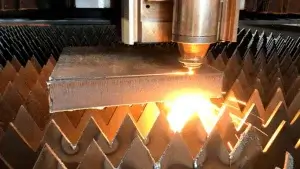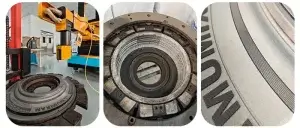

Laser cutting stands as the backbone of modern industrial fabrication, and today’s fiber laser innovations have redefined what’s possible in precision cutting across metal processing, non-metal manufacturing, automotive, aerospace, electronics, and green energy production. As factories shift toward smart manufacturing, automation, AI process control, and sustainable production, choosing the right laser source is no longer just about power or cost—it’s about long-term productivity, material compatibility, operational efficiency, and future‑proofing your production line. This fully updated 2026 guide breaks down every major laser type used in industrial cutting systems, highlights breakthrough technologies reshaping the sector, and gives you clear, data-backed advice to select the ideal system for your materials, volumes, and business goals.
Introduction: Why Laser Source Selection Matters More Than Ever
- The dominance of high-power solid-state laser systems for metal manufacturing
- AI-driven process optimization that eliminates operator dependency
- Sustainable, low-energy, low-maintenance designs aligned with global green manufacturing goals
1. Gas Systems: CO2 Technology (Evolved & Specialized)
How Modern CO2 Systems Work
Key Advantages in 2026
- Unmatched performance on organic and non-metallic materials: acrylic, wood, MDF, leather, fabric, paper, rubber, foam, and certain engineering plastics
- Smooth, low-taper edge quality with minimal charring on heat-sensitive substrates
- Lower upfront cost for low-to-medium power non-metal systems
- Mature, reliable technology with broad service support worldwide
- Ideal for engraving, marking, and cutting in one continuous workflow
Limitations (Updated for 2026)
- Lower electro-optical efficiency (≈10%) compared to solid-state fiber systems (≈30–40%)
- Longer wavelength results in weaker absorption on most metals, reducing processing speed and increasing energy waste
- Larger physical footprint due to gas resonator and cooling requirements
- Consumable costs include periodic gas top-ups and mirror maintenance
Best Applications 2026
- Advertising signage, acrylic fabrication, craft production
- Textile and leather processing for fashion and automotive interiors
- Packaging, foam inserts, and rubber gasket manufacturing
- Medical device processing involving polymers and non-metallic components
- Thin-metal processing where budget takes priority over speed
2. Fiber-Based Systems: The Undisputed Leader of Modern Metal Manufacturing
How Modern Fiber-Based Systems Work
Breakthrough Advantages in 2026
- Electro-optical efficiency up to 40%—far exceeding CO2 and crystal systems
- Exceptionally high beam quality for clean, sharp, low-taper results
- Unmatched speed on steel, stainless steel, aluminum, copper, brass, and titanium
- Minimal heat-affected zone (HAZ) for precision components
- Air-cooled options available up to 6 kW; reduced cooling infrastructure
- Almost no maintenance: no laser gases, no mirror realignment, no resonator wear
- Long operational life (100,000+ hours) lowers long-term costs
- Compatible with AI process control, automated loading, and smart factory IoT integration
2026 System Classifications (Industry Standard)
By Source
- Ytterbium-doped systems (most common for metal fabrication)
- Erbium and thulium-doped systems for specialized materials
By Operation Mode
- Continuous Wave (CW): high-speed, high-volume processing
- Pulsed: precision micro-processing, drilling, and textured surfaces
By Power Level
- Low power (≤1.5 kW): thin sheet, small parts
- Medium power (2–6 kW): general fabrication
- High power (12–30 kW): thick plate, heavy industry
By Mode Structure
- Single-mode: ultra-high precision, micro-machining
- Multimode: high-power industrial processing, balance of speed and quality
Game-Changing 2026 Innovations
- 30 kW+ ultra-high power systems handle thick steel up to 80% faster
- Beam shaping technology eliminates burrs and improves edge quality
- AI auto-tuning automatically adjusts power, speed, and gas pressure
- Reflective metal optimization processes copper and brass without back-reflection damage
- Green systems for highly reflective metals and delicate electronics
3. Crystal Systems: High-Power Specialists for Heavy Industry & Micro-Machining
How Crystal Systems Work
Key Strengths in 2026
- Extremely high peak power for piercing thick and hard materials
- Excellent for micro-drilling, engraving, and precision structuring
- Effective on both metals and certain ceramics
- Established use in aerospace, defense, and tooling
Limitations (Updated)
- Shorter resonator lifetime compared to fiber-based setups
- Higher maintenance and replacement costs
- Lower energy efficiency
- Larger footprint and more complex cooling
Ideal 2026 Applications
- Aerospace turbine component drilling
- Thick mold and tool steel processing
- Micro-machining for semiconductors and electronics
- High-power engraving and surface texturing
4. Emerging Solutions: Diode & Hybrid Systems (2026–2027 Trend)
Direct Diode Setups
- Ultra-compact, low power consumption
- Lower cost than fiber sources
- Good for thin metals, plastics, and hobbyist applications
- Improving beam quality rapidly
Hybrid Systems
- Combine solid-state and CO2 sources in one machine
- Process both metals and non-metals without switching equipment
- Ideal for job shops with diverse material needs
- Growing in popularity for multi-material fabrication
How to Choose the Right Laser in 2026: Complete Decision Framework
If You Process Mostly Non-Metals
If You Process Mostly Metals
If You Need High-Power Piercing & Drilling
If You Need Multi-Material Flexibility
2026 Buying Rules You Must Follow
- Prioritize solid-state systems for metal work to maximize ROI
- Choose AI-integrated controls to reduce labor and improve consistency
- Calculate total cost of ownership (TCO), not just upfront price
- Select modular designs for future power upgrades
- Partner with suppliers offering local service and spare parts
The Future of Advanced Fabrication (2026–2030)
- AI autonomy will enable fully unmanned production
- Green laser technology will expand reflective metal capabilities
- Ultra-high power systems will dominate thick-plate processing
- Miniaturization will bring industrial performance to compact machines
- Sustainability will drive even higher efficiency and lower energy use
Conclusion