Laser Tyre Mold Cleaning
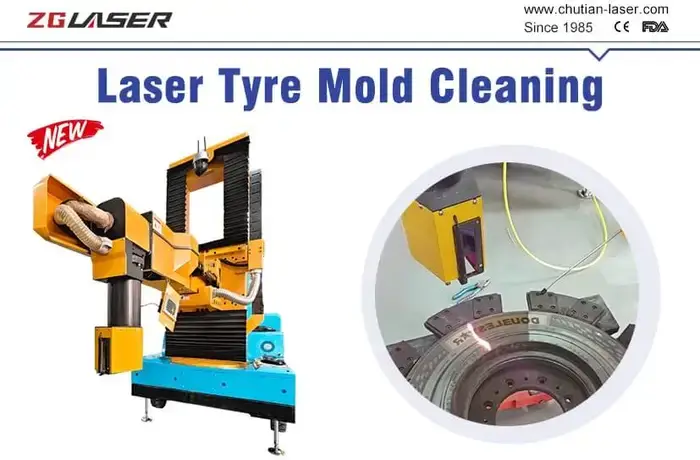
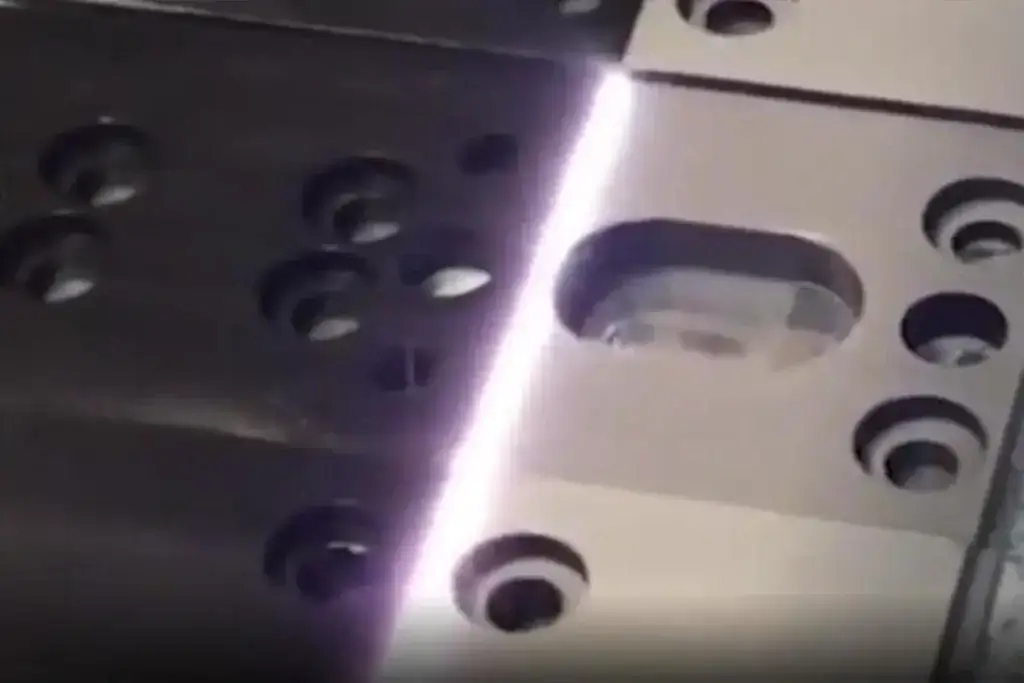
How does laser cleaning work?
Advantages of laser clean tire mold
- Increased productivity & reduced operational costs: It is a fast and efficient process that requires minimal downtime, addressing a key pain point for tire manufacturers struggling with high operational costs. Unlike traditional cleaning methods that may take 4+ hours (including mold cooling and disassembly), laser cleaning can complete a PCR tire mold in 40-50 minutes and a TBR tire mold in 50-60 minutes—even compressing 19-inch tire mold cleaning to 30 minutes, boosting daily processing capacity from 8 to 32 sets (a 400% efficiency increase). This minimizes production line downtime, reduces labor costs, and cuts operational costs significantly: PCR tire mold cleaning costs drop from 258 yuan to 50 yuan per set (an 80% reduction), while TBR mold costs fall from 310 yuan to 55 yuan (an 82% reduction).
- Improved tire quality & extended mold lifespan: It removes 99% of all contaminants from the mold surface, ensuring the tires produced are of high quality, free from defects like burrs and bubbles, and meet the visual and performance standards demanded by modern consumers. By avoiding mold damage, the technology extends mold lifespan from 3-5 years to 7-10 years—effectively doubling its service life and reducing the need for expensive mold replacements (which cost over 50,000 yuan per set). This not only lowers operational costs but also ensures consistent tire quality, a critical differentiator in a competitive market.
- Strong environmental compliance: As global environmental regulations tighten in 2026 (especially for VOCs and industrial wastewater), it stands out as an environmentally friendly solution that aligns with green manufacturing goals. It requires no chemicals, solvents, or abrasive materials, generating only small amounts of collectible dust—no wastewater, or harmful emissions, reducing carbon emissions by 50% and eliminating the risk of environmental fines (which can exceed 100,000 yuan annually for non-compliant enterprises). This helps tire manufacturers meet strict environmental compliance standards without investing in costly waste treatment facilities.
- Intelligent & versatile adaptability: 2026’s laser cleaning technology is evolving toward automation, modularization, and customization, making it suitable for all tire mold types—from 12-26 inch PCR/TBR molds to high-end laser-engraved (velvet) molds and those with spring vents. Equipped with high-temperature sealed laser cleaning heads and AI-driven path planning, it can clean complex patterns and dead corners without disassembly, integrating seamlessly into automated production lines for 24-hour online operation. This versatility addresses the growing demand for flexible, intelligent solutions as tire manufacturers expand their product portfolios and pursue Industry 4.0 upgrades.
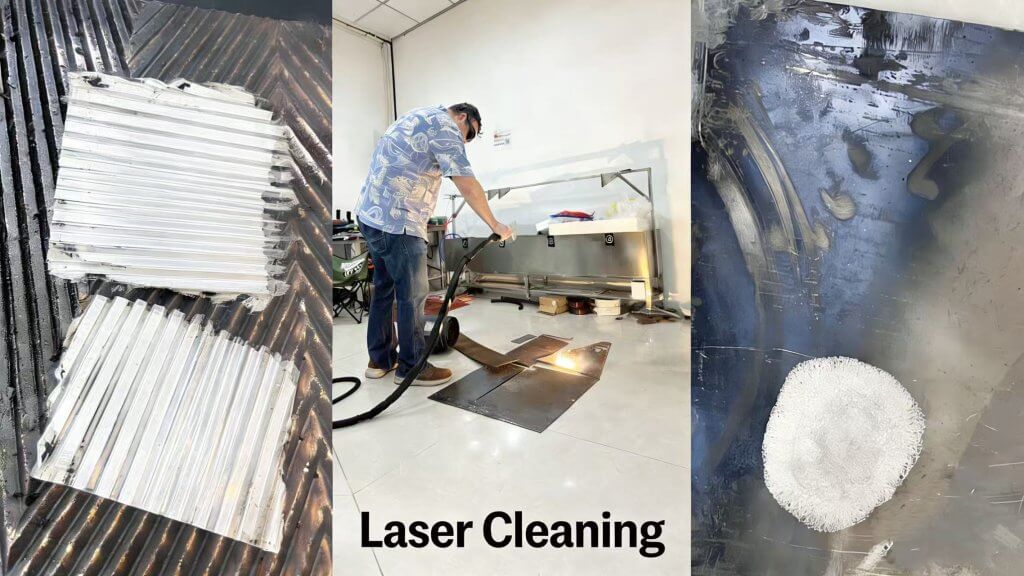
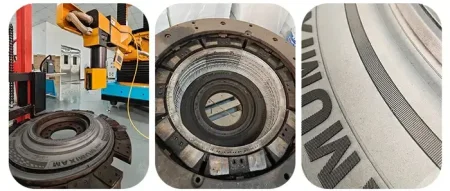
Real-World Results: Laser Cleaning in Action
Conclusion
In 2026, as tire manufacturers face mounting pressure to reduce operational costs, extend mold lifespan, meet environmental compliance, and improve productivity, laser tyre mold cleaning has revolutionized the tire manufacturing process. It offers a fast, efficient, and cost-effective solution that addresses the industry’s most pressing pain points—all while being non-abrasive, environmentally friendly, and adaptable to the latest intelligent production trends. Manufacturers can not only optimize their cleaning processes but also gain a competitive edge in a market driven by green and intelligent upgrades. As industry forecasts predict laser cleaning will replace 80% of traditional cleaning processes in the next 3-5 years, now is the time for tire manufacturers to embrace this technology and secure their position in the future of tire production.