Introduction:Navigating the world of welding can be complex, with a vast array of technologies from the classic electric welder to the cutting-edge laser welding machine. Whether you’re a hobbyist setting up a home shop welder or a professional seeking a new industrial welder, understanding the differences is crucial.
This guide provides a comprehensive overview of the welder equipment landscape. We will break down everything from the rugged arc welding machine used for heavy-duty jobs to the precision of a laser welding machine, helping you understand the capabilities of each welding welding machine.
By the end, you’ll have the expert knowledge needed to select the perfect welders machine for your projects and know exactly where can i buy a welder to fit your needs.
Understanding the Basics: What is a Welding Machine?
The Fundamental Principle: How All Welding Machines Work
At its core, the universal purpose of any welding machine, whether it’s a traditional electric welder or an advanced laser welding machine, is to fuse materials by creating a small, localized pool of molten metal—the weld pool.
The principle is the application of a highly concentrated energy source to the workpiece. In an electric arc welding machine, this energy comes from a powerful electrical arc. In a laser welding machine, the energy is a precisely focused beam of light.
In both cases, this intense energy melts the base materials, often along with a filler material. As this molten pool cools and solidifies, it forms a strong, continuous joint, completing the weld and permanently joining the pieces.
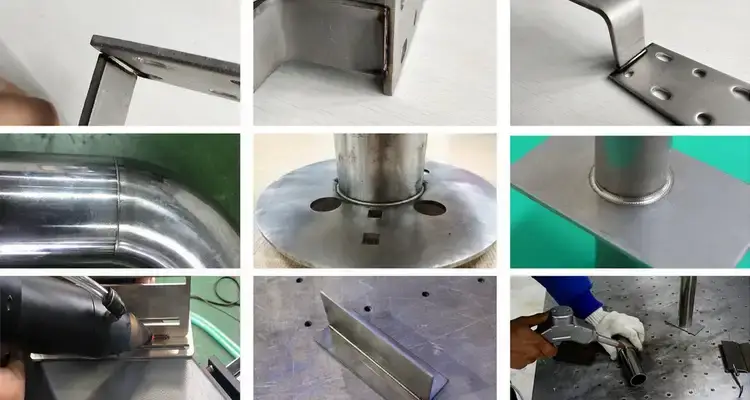
A Breakdown of Basic Welder Components
While the energy source differs, the basic components of any welding set can be classified into a few key groups, helping you understand how they function.
- Energy Source:This is the heart of the welders machine, creating the power needed to weld.
- Electric Welders:This is the Power Source (like a transformer or inverter), which converts standard electrical power into the high-current, low-voltage output needed for welding.
- Laser Welders:This is the Laser Resonator (such as a fiber or CO2 laser), which generates the high-intensity beam of light.
- Delivery System:This system transports the energy from the source to the workpiece.
- Electric Welders:This includes the Welding Gun or Torch (for MIG/TIG) or an Electrode Holder (for Stick welding), along with the necessary cables. A wire feeder is also part of this system for MIG and flux-cored welding.
- Laser Welders:This is the Beam Delivery System, which consists of fiber-optic cables and mirrors that guide the laser beam to the Welding Head.
- Control & Circuit Components:These elements manage the process and ensure it works correctly and safely.
- Electric Welders:The Work Clamp (or ground clamp) is essential for completing the electrical circuit. The machine’s interface allows the operator to control parameters like voltage and amperage.
- Laser Welders: A sophisticated Control System (often CNC-based) manages the laser’s power, focus, and movement, while safety interlocks ensure secure operation.
The Workhorses of the Industry: Traditional Electric Welders
The Workhorses of the Industry: Traditional Electric Welders
For decades, the arc welding machine has been the backbone of the metal fabrication industry. These machines are reliable, powerful, and come in several types, each suited for different applications and environments.
A complete electric arc welding equipment setup involves more than just the power source. Depending on the process, you’ll need a welding gun or electrode holder, a work clamp to complete the circuit, and for MIG and TIG, a cylinder of shielding gas. This entire collection of gear is often referred to as an arc welding set.
- Stick (SMAW):Shielded Metal Arc Welding is one of the oldest and most versatile forms of welder welding. It uses a consumable electrode “stick” coated in flux, which creates a shielding gas as it melts. This makes it perfect for outdoor work in windy conditions and a go-to for repairs on farms and in any large arc welding plant.
- MIG (GMAW):Metal Inert Gas welding is often called the “hot glue gun” of the welding world. It uses a continuously fed wire electrode and a shielding gas, making it incredibly fast and easy to learn. This makes it a popular choice as a steel welder machine and iron welding machine for both beginners and busy production shops.
- TIG (GTAW): Tungsten Inert Gas welding is the artist’s choice. It uses a non-consumable tungsten electrode and requires the welder to feed a separate filler rod by hand. It is a slower process but offers unparalleled control and produces the cleanest, most precise welds, making it ideal for critical joints on materials like aluminum and stainless steel.

The Rise of a New Technology: The Laser Welding Machine
How a Laser Welding Machine Works
A laser welding machine uses a process that feels like it’s straight out of science fiction. It directs a highly concentrated beam of light onto the joint between two pieces of metal. This beam generates intense heat in a tiny spot, causing the materials to melt and fuse together as they cool.
Unlike an electric arc welding machine, which uses an electric current to generate heat, laser welding is a non-contact process. This means nothing physically touches the workpiece except for the beam of light, allowing for incredible precision and minimal distortion.
Advantages of Laser Welding
The benefits of using a laser welding machine are significant, especially in high-tech and industrial manufacturing where precision is key.
- High Precision and Quality:Lasers create exceptionally clean, narrow welds with a very small heat-affected zone (the area surrounding the weld that is altered by heat).
- Incredible Speed:Laser welding is often up to ten times faster than traditional methods like TIG welding, which can drastically boost productivity in a manufacturing environment.
- Versatility:This technology can join a wide range of materials, including dissimilar metals (like copper to aluminum) and thin, delicate components that would be damaged by other methods.
- Automation-Friendly: The process is easily automated and integrated with robotic systems, making it perfect for high-volume, repeatable production in industries like medical devices, electronics, and automotive applications.
Considerations for Laser Welders
The primary consideration for adopting a laser welding machine is the higher initial investment compared to traditional welders. Additionally, the high-intensity laser beams require more stringent safety protocols, often involving enclosed work cells to protect operators from the powerful light source.
Key Factors to Consider When Buying a New Welder Machine
Choosing a new welder machine requires careful thought, as the right choice depends entirely on your needs. While some factors apply broadly, the considerations for a traditional electric welder are quite different from those for a specialized laser welding machine.
Key Considerations for Traditional Electric Welders
These factors are fundamental when you are looking at a Stick, MIG, or TIG arc welding machine.
- Power & Amperage
Amperage (amps) is the muscle of your welder; it directly determines the thickness of the metal you can fuse. A light-duty electric welding machinemight top out at 140 amps for thin sheet metal, while a heavy duty welding machine for industrial work can deliver over 500 amps to handle thick structural steel. - Duty Cycle
Duty cycle is a crucial measure of endurance. It tells you how long a welder can operate within a 10-minute window before needing to cool down. For a hobbyist, a lower duty cycle is usually acceptable. But for a large welding machineor any industrial welders in a production environment, a high duty cycle (60% or more) is essential to maximize productivity. - Input Voltage (110V vs. 220V)
The input voltage dictates where you can use your machine. 110V/120V models plug into a standard household outlet, making them perfect for a portable home shop welder. 220V/240V machines require a more powerful outlet and are the standard for professional and industrial equipment, offering greater welding power. - Budget and Price
The electric arc welding machine pricecan range from a few hundred dollars for an entry-level hobbyist unit to many thousands for a professional, multi-process machine. Establishing a clear budget is a critical first step.
Specific Considerations for a Laser Welding Machine
When stepping into the world of laser welding, the buying criteria become more technical and are closely tied to the specific application.
- Laser Type and Power (Watts)
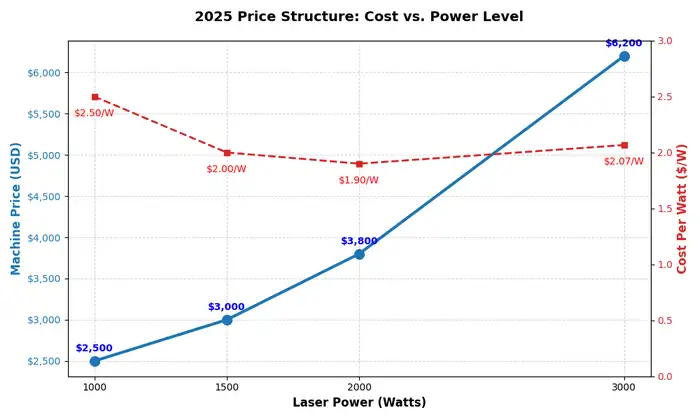
Instead of amps, laser power is measured in watts. The wattage determines penetration depth and welding speed. You must also choose a laser type. Fiber lasers are the modern standard for metals due to their efficiency and reliability. The required wattage can range from 1,000W for thinner materials to over 6,000W for a heavy-duty industrial welder - Beam Quality and Welding Mode
Laser welding is all about precision. Beam qualityaffects how tightly the laser can be focused, which is critical for delicate work. You must also consider the welding mode: conduction mode for wide, shallow cosmetic welds or keyhole mode for deep, narrow, structural welds. Your application will dictate which is necessary. - Control System and Automation
A laser welding machineis often part of a larger automated system. The sophistication of its control system (CNC) and software is paramount. Assess how easily the welder equipment can integrate with robotics and other manufacturing systems, as this is key to unlocking its full productivity potential. - Cooling System and Safety Features
High-power lasers generate significant heat and require a robust chiller or cooling system to operate reliably. This is an essential component, not an option. Furthermore, safety is a major factor. This industrial welding machine requires Class 4 safety protocols, including enclosed work cells, safety interlocks, and specialized protective gear, which must be factored into the total cost and facility layout.
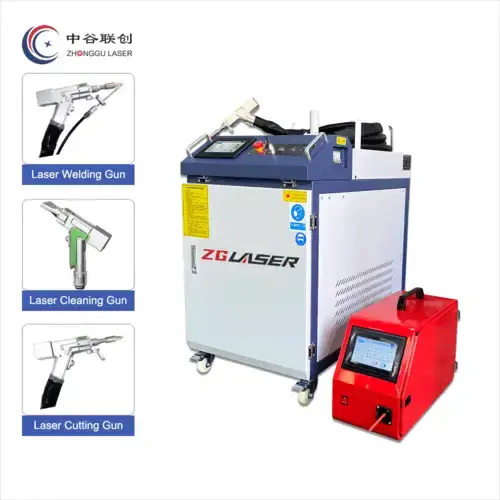
Sizing Up Your Needs: Home Shop Welder vs. Industrial Welding Machine
The Home Shop Welder
The home shop welder is designed for the DIY enthusiast, artist, or home mechanic. It’s all about convenience and versatility for smaller projects.
- Characteristics:These machines are typically more compact, portable, and run on standard household power (110V). They usually have a lower amperage output and duty cycle, which is perfectly fine for intermittent work.
- Best For: Light repairs, building furniture, automotive hobby projects, and metal art. Look for a portable arc welding set that includes everything you need to get started with these types of electric welders.
The Industrial Welder
An industrial welder is built for the demands of a professional fabrication shop, manufacturing facility, or construction site.
- Characteristics:These are robust, often stationary machines that run on 220V or higher three-phase power. They boast high amperage, long duty cycles, and advanced features for precise control over the welding process.
- Best For: All-day production welding, heavy equipment repair, structural steel fabrication, and pipeline work. A complete arc welding plant will feature several of these powerful units, which are considered a heavy duty welding machine or a large welding machine.
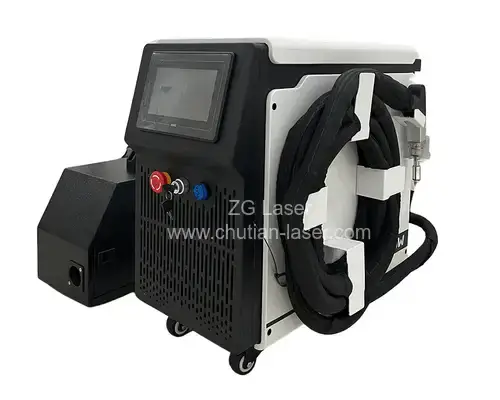
Where to Buy Your Next Welder Welding Equipment
Finding the right place to purchase your welder welding equipment is just as important as choosing the machine itself. The ideal supplier offers not only a quality product but also the expertise and support to ensure your long-term success.
Specialized Welding Supply Stores
These local brick-and-mortar stores offer invaluable hands-on experience. You can see the welder equipment in person, get expert advice tailored to your specific projects, and often receive immediate service or repair support. They are an excellent choice for anyone who values a personal relationship and community expertise.
Finding Professional Suppliers Online
The internet has opened up a global marketplace for welding equipment, especially for specialized industrial machines.
How to Locate Suppliers:
- B2B Platforms: You can find suppliers of industrial welders or laser welding equipment on B2B websites, but you need to assess the R&D capabilities and after-sales support of online sellers.
- Direct Manufacturer Websites:Searching for specific brands or types of welders (e.g., “industrial fiber laser welding machine manufacturer”) will lead you directly to the websites of companies that produce the equipment. This is often the best way to get detailed technical specifications.
- Industry Directories & Forums:Online trade publications and welding forums can provide recommendations and lists of reputable suppliers from community members.
How to Assess a Supplier’s Capability and Service:
- Technical Specifications:A reliable supplier will provide comprehensive data sheets, performance metrics, and documentation for their machines.
- Case Studies & Customer Reviews:Look for evidence of successful applications in your industry. Testimonials and detailed case studies are a strong indicator of experience and reliability.
- After-Sales Support: This is critical. Check their website or inquire directly about their policies on installation, training, warranty, spare parts availability, and technical support. A strong after-sales network ensures your new welder machine remains a productive asset, not a liability.
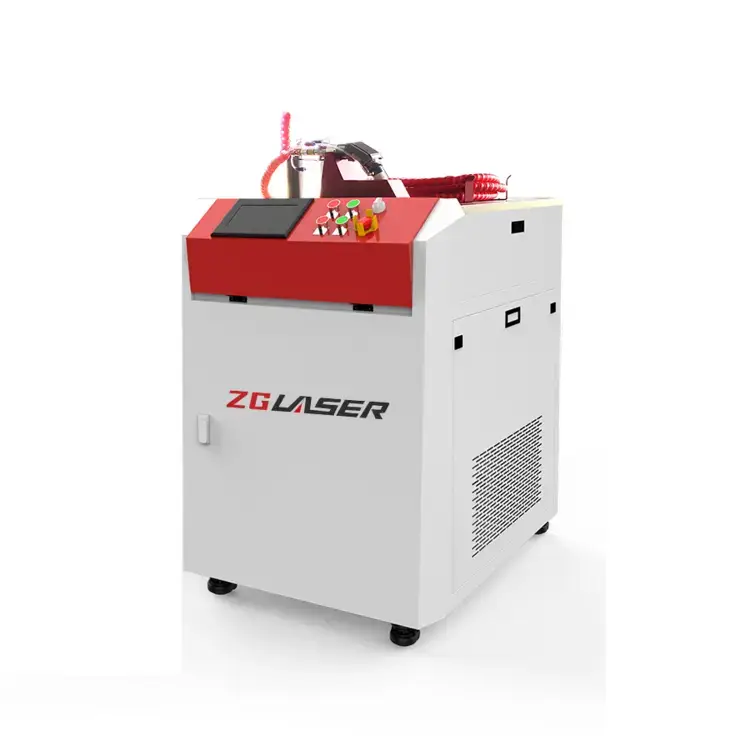
Supplier Spotlight: The Strength and Capabilities of ZG Laser
ZG Laser is a prominent high-tech enterprise specializing in the development and manufacturing of advanced laser equipment. They represent the high-end, professional supplier you might find through a targeted online search for industrial-grade solutions.
Core Strengths and Capabilities:
- Comprehensive Product Line:They offer a wide range of laser solutions, including high-power laser welding machine systems, laser cutting machines,laser marking machines and laser cleaning equipment, catering to demanding industrial applications.
- Technological Innovation:With a strong focus on research and development, ZG Laser is known for its innovation in laser technology, ensuring high performance, efficiency, and reliability in their welder equipment.
- Global Reach and Service: The company has a significant market presence both domestically and internationally, backed by a robust after-sales service network that provides installation, training, and ongoing technical support to its global clientele. This commitment to service makes them a trusted partner for businesses investing in a large welding machine or a complete industrial welding machine setup.
Conclusion: Making the Right Investment in Your Welding Future
Choosing the right welding machine is a critical investment that directly impacts the quality and efficiency of your work. From the robust and reliable arc welding machine to the precise and advanced laser welding machine, the options are more diverse than ever.
By evaluating your primary projects, understanding key specifications like amperage and duty cycle, and deciding between a home shop welder and an industrial welding machine, you are now prepared to make a confident choice. The next step is to take this knowledge, set your budget, and explore the retailers mentioned to find the new welder machine that will power your projects for years to come.