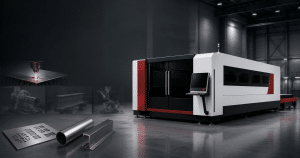

Introduction:In the dynamic world of metal fabrication, the welder with laser has emerged as a game-changing technology, delivering unmatched precision, speed, and clean finishes. This guide will navigate you through the essentials of the modern laser welding machine, breaking down the laser welder price and exploring the diverse range of laser welding machines for sale. Whether you’re considering a versatile handheld laser welder, a compact portable laser welder, or researching the overall laser welder cost, this article provides the expert insights you need to make an informed investment and elevate your welding capabilities.
What Exactly is a Welder with Laser?
Think of a welder with laser as the next evolution in joining metal. Instead of a traditional electric arc, this advanced tool uses a highly concentrated beam of light to melt and fuse materials. The result is an incredibly strong, clean, and precise bond that is transforming workshops across the globe.
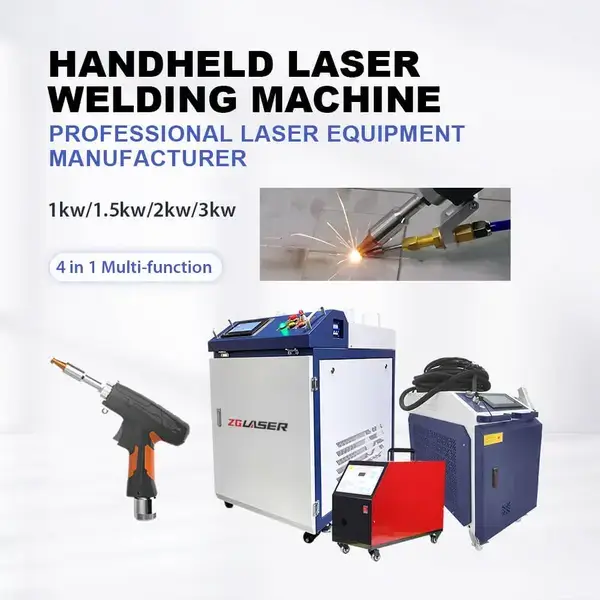
The Core Technology: How Laser Welding Works
At the heart of modern metal fabrication, laser welding stands out as a high-precision and efficient joining process. It operates on the fundamental principle of using a highly concentrated beam of light to melt and fuse materials together, creating a strong and durable bond. This advanced method offers significant advantages over traditional welding techniques, largely due to its unique heat source and the sophisticated technology that powers it.
The Fundamental Process: A Focused Beam of Light
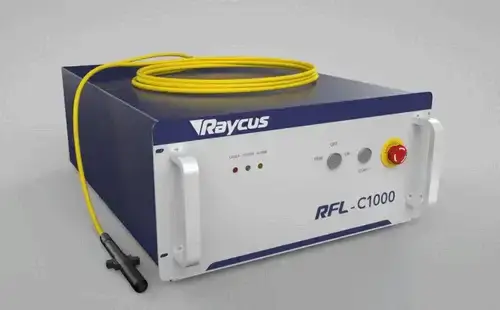
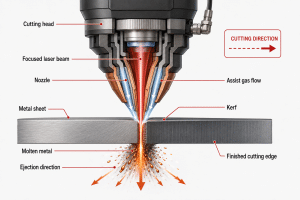
Laser welding, also known as laser beam welding (LBW), utilizes a focused, high-energy laser beam to generate intense heat at the joint of the workpieces. This process can be likened to using a magnifying glass to focus sunlight, but on a much more powerful and controlled scale. When the concentrated energy of the laser beam strikes the material, it is rapidly absorbed, causing the surface to melt and form a molten pool. As the laser beam moves along the joint, the molten material cools and solidifies, creating a weld.
The process operates in two primary modes, depending on the power density of the laser:
- Conduction Welding: This method uses a lower power density, where the heat is absorbed at the surface of the material and travels inward through thermal conduction. It creates wide, shallow welds and is ideal for applications where a smooth, aesthetic finish is crucial.
- Keyhole or Deep Penetration Welding: At higher power densities, the laser not only melts the metal but also vaporizes it, creating a small, vapor-filled cavity known as a “keyhole.” This keyhole allows the laser beam to penetrate deeper into the material, resulting in narrow, deep welds. This mode allows for high-speed welding of thick materials with a strong, uniform structure.
The Role of Fiber Optic Lasers: Superior Quality and Efficiency
Modern handheld laser welding machines predominantly use fiber laser technology. In a fiber laser, the laser beam is generated within a flexible optical fiber that has been “doped” with rare-earth elements like ytterbium. This doped fiber acts as the gain medium. When light from pump laser diodes is introduced into the fiber, the rare-earth elements are excited and amplify the light, generating a powerful and high-quality laser beam.
The key advantages of fiber optic laser welding technology in laser welders include:
- Superior Beam Quality: The optical fiber design produces an exceptionally precise and focused laser beam, which is crucial for high-precision applications.
- High Efficiency: Fiber lasers have a high electrical-to-optical efficiency, often exceeding 30%, which reduces energy consumption and operational costs.
- Compact and Flexible Design: The use of flexible optical fibers allows the laser beam to be easily guided to the workpiece, making handheld systems practical and versatile. Fiber lasers are also more compact and lightweight compared to traditional laser sources.
- Low Maintenance: As a non-contact process with a solid-state laser source, fiber laser welding requires minimal maintenance.
A Leap Beyond Traditional Welding: Laser vs. TIG & MIG
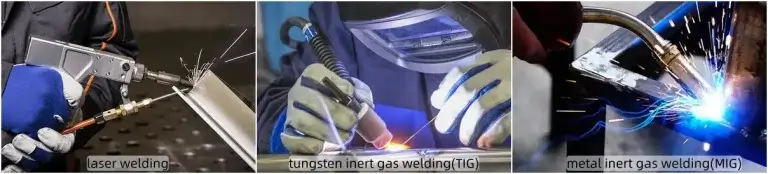
Compared to traditional methods like Gas Tungsten Arc Welding (TIG) or Gas Metal Arc Welding (MIG), the difference is night and day. Where arc welding uses a broad, less focused heat source, a laser is pinpoint accurate. This leads to a much smaller heat-affected zone (HAZ), drastically reducing the risk of warping or distorting the metal. This precision is especially beneficial for thin or heat-sensitive materials.
| Parameter | Laser Welding | TIG Welding | MIG Welding |
|---|---|---|---|
| Heat Input | Very Low & Concentrated. The high power density and fast travel speeds result in extremely low total heat input (measured in kJ/mm). | High & Diffuse. A slower, less concentrated arc transfers significant heat into the workpiece, leading to a large heat-affected zone (HAZ). | Medium to High. Heat input is generally lower than TIG but significantly higher and less focused than laser welding. |
| Speed | Extremely High. Travel speeds can be 3 to 10 times faster than TIG or MIG, often measured in meters per minute rather than inches per minute. | ery Slow. This is a meticulous, high-skill process known for its slow travel speeds, especially on thicker materials. | Moderate to Fast. MIG is faster than TIG but cannot match the travel speeds achievable with laser welding. |
| Finish Quality & Distortion | Excellent. The minimal heat input produces a very narrow weld bead with a tiny HAZ, resulting in negligible material distortion or warping. The final weld is often aesthetically perfect and requires no post-weld grinding. | Good to Excellent. Capable of producing very clean welds, but the high heat input over a longer duration often leads to significant distortion, requiring post-weld straightening and finishing. | Good. The process often produces spatter that must be cleaned off. The larger weld bead and higher heat input compared to laser also result in more distortion. |
| Joint Access | High. The focused laser beam can access narrow or difficult-to-reach joints that are physically inaccessible to a bulky TIG torch or MIG gun. | Limited. The TIG torch requires a specific angle and proximity to the workpiece, limiting its access to tight corners or deep channels. | Limited. The MIG gun is also bulky and requires direct line-of-sight and specific standoff distances, restricting joint access. |
| Material Versatility | Excellent for a wide range of materials, including dissimilar metals and thin, delicate parts. | Versatile and suitable for a wide variety of materials and intricate work. | Preferred for thicker materials and high-speed production in manufacturing and construction. |
In essence, while TIG and MIG welding introduce heat over a wide area to create a molten pool, laser welding uses a surgical, high-intensity energy source to achieve the same result with far greater speed, less collateral thermal damage, and superior final quality.
While the initial investment for laser welding equipment can be higher than for traditional methods, the increased speed, superior quality, reduced need for rework, and lower operating costs can make it a more cost-effective solution in the long run. The laser source suppliers for our company’s laser equipment are all globally renowned laser source brands. Some top laser source brands include IPG Photonics, Raycus, Max Photonics, and JPT.
Key Advantages of Using a Laser Welding Machine
The benefits of adopting a laser welding machine are immediate and impactful, revolutionizing workflow and final product quality.
- Precision and Quality: The focused energy creates beautiful, clean, and smooth welds that often require no grinding or post-processing. This saves a massive amount of time and labor, directly impacting your bottom line. The resulting joints are strong and free of defects.
- Speed and Efficiency: A laser welder is astonishingly fast, capable of operating anywhere from 3 to 10 times faster than TIG welding. This incredible speed can dramatically increase your workshop’s productivity and throughput, allowing you to take on more jobs.
- Versatility: This technology isn’t just for steel. Laser welders excel at joining a wide range of materials, including highly reflective metals like aluminum and copper, and even dissimilar metals, which can be challenging for other methods.
Types of Laser Welders: From Handheld to Desktop
The landscape of laser welders is diverse, with equipment engineered for vastly different scales and precision requirements. The primary distinction lies between highly mobile systems designed for flexibility and stationary units built for specialized, high-fidelity work. Understanding these categories is crucial for selecting the right tool for the job.
The Rise of the Handheld Laser Welder
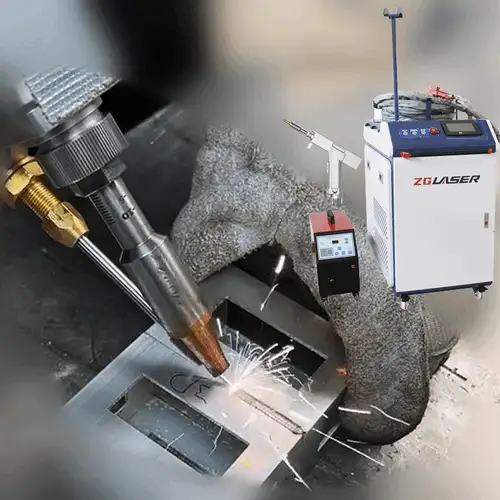
The modern hand held laser welder represents a paradigm shift in fabrication. These units, which are almost exclusively handheld fiber laser welding machines, have decoupled the powerful laser source from the point of application. The laser is generated in a main console and delivered through a long, flexible fiber optic cable to a lightweight, ergonomic welding gun. This design has democratized access to laser technology, moving it from the confines of robotic cells onto the open workshop floor.
The benefits of this architecture are transformative:
- Unmatched Flexibility and Portability: The primary advantage is the ability to bring the tool to the work. This is indispensable for welding large, heavy, or permanently installed components like tanks, vehicle frames, or architectural metalwork that cannot be moved to a fixed welding station.
- Accelerated Learning Curve: Compared to the steep learning curve of TIG welding, the hand held laser welder is remarkably intuitive. With pre-programmed settings for various materials and thicknesses, operators can often produce strong, aesthetically pleasing welds within hours, not weeks. This significantly reduces training costs and expands the pool of capable users.
Typical applications are widespread and growing, including sheet metal fabrication (stainless steel kitchens, electrical enclosures), automotive repair and customization, architectural fixtures (handrails, door frames), and even high-precision mold repair.
Compact and Specialized Laser Welding Equipment
While handheld systems excel in flexibility, other applications demand either extreme mobility or microscopic precision, leading to more specialized designs.
- The Portable Laser Welder and Small Laser Welding Machine:
These terms often refer to systems where the entire unit—power source, cooler, and controls—is integrated into an even more compact and mobile chassis than a standard handheld. A laser welding mini is engineered with mobility as its core feature. They are invaluable for on-site industrial maintenance, field repairs, and mobile welding services operating out of a vehicle. For small workshops with severe space constraints, a small laser welding machine provides the power of laser technology without a large footprint. - The Desktop Laser Welder:
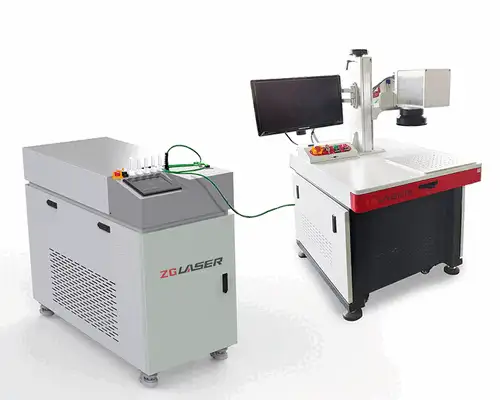
Also known as a benchtop welder, the desktop laser welder is a high-precision instrument designed for intricate, small-scale work. These units typically feature an enclosed work chamber, a high-magnification microscope or camera system for viewing, and exceptionally fine control over laser parameters. The focus here is not speed or portability, but absolute accuracy. This makes them essential in industries like jewelry manufacturing for repairing delicate chains or setting stones, medical device assembly for hermetically sealing implants and pacemakers, and electronics for micro-welding sensitive components without causing thermal damage.
More Than a Welder: The Laser Welding and Cutting Machine
In the world of metal fabrication, efficiency, precision, and cost-effectiveness are paramount. A groundbreaking tool that addresses all these needs is the 3-in-1 handheld laser machine, a versatile device that combines the functionalities of welding, cutting, and rust cleaning into a single, compact unit. This innovative technology is revolutionizing workshops by offering a space-saving and economical alternative to owning multiple pieces of equipment.
The 3-in-1 Handheld Laser Machine:A Trio of Functions in One Device
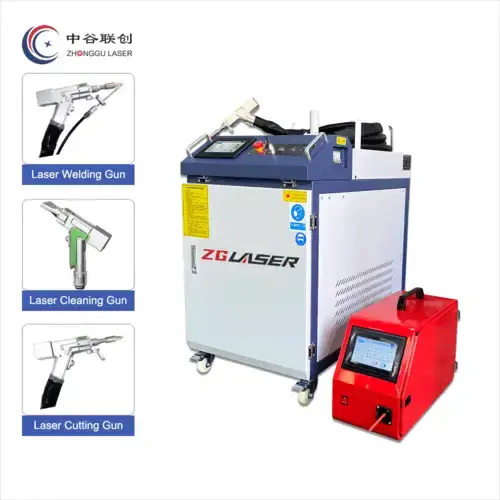
This single laser welding device can seamlessly switch between functions by simply changing the nozzle and adjusting the settings on the handheld laser machine. A laser weld cutter is an incredible space-saver and provides exceptional value, with prices ranging from around $2,800 to $9,500. It’s a popular choice for custom fabrication shops and small businesses that need maximum functionality without investing in multiple pieces of expensive equipment.
The core of the 3-in-1 handheld laser machine’s appeal lies in its multifaceted capabilities. This single device can seamlessly switch between three critical metalworking processes:
- Laser Welding: By delivering a high-intensity laser beam, the machine can precisely weld various metals, including stainless steel, carbon steel, and aluminum. This method produces strong, clean welds with minimal heat distortion, often eliminating the need for extensive post-processing like grinding or polishing. The welding speed can be up to four to five times faster than traditional TIG or MIG welding methods.
- Laser Cutting: With a simple change of the nozzle and adjustments to the settings, the machine transforms into a proficient cutter. It is particularly effective for cutting thin metal sheets with precision and creating smooth edges. This function is ideal for a variety of fabrication tasks that require accurate cuts.
- Laser Cleaning: The device can also be used to efficiently remove rust, paint, oil, and other contaminants from metal surfaces. This non-contact cleaning process is environmentally friendly as it avoids the use of chemicals and abrasives, leaving the underlying material undamaged. This is crucial for preparing surfaces for welding or finishing.
By integrating three functions into one compact and portable system, workshops can drastically reduce their equipment footprint. This is especially beneficial for smaller workshops or facilities where space is at a premium.
Financially, the investment in a single multi-functional machine is considerably more cost-effective than purchasing, maintaining, and housing three separate pieces of equipment for welding, cutting, and cleaning. This consolidation leads to reduced energy consumption and lower operational costs.
The convenience offered by a 3-in-1 handheld laser machine enhances workflow efficiency. Operators can quickly and easily switch between functions, saving valuable time that would otherwise be spent moving between different workstations. The handheld nature of the device provides flexibility, allowing it to be used on-site and for a wide range of applications.
Furthermore, many of these machines are designed to be user-friendly, with intuitive controls and a learning curve that is significantly shorter than that for traditional welding techniques. This ease of operation means that even less-skilled operators can achieve high-quality, consistent results, saving on training costs.The portability and versatility of these machines make them an indispensable tool for modern manufacturing and fabrication.
Decoding the Dollars: How Much is a Laser Welder?
This is the big question everyone asks: “how much is a laser welder?” The truth is, the laser welder cost can vary widely. An entry-level or cheap laser welder might start around $5,000, while high-power, industrial automated systems can exceed $50,000 and even reach into the hundreds of thousands for fully robotic setups.
When people ask “how much are laser welders?,” they are often most curious about the popular handheld models. The handheld laser welding machine price typically falls into a more accessible range, making it a viable option for many businesses looking to upgrade their technology without a massive capital investment.
Key Factors That Determine the Laser Welder Cost
The final price tag on a laser welding machine is influenced by several key factors:
- Power (Wattage): This is the biggest driver of cost. Power determines the machine’s ability to weld thicker materials. A 1500w laser welding machine is a popular, versatile choice that can handle many common tasks, with prices ranging from approximately $2,800 to $5,200. A 3000W machine will cost more but offer deeper penetration for more demanding jobs.
- Laser Source: The brand of the laser generator (like IPG, Raycus, or MAX) plays a huge role in the machine’s reliability, lifespan, and price. Top-tier brands like IPG often command a premium but are known for their performance and longevity, while others offer a more budget-friendly entry point.
- Features: Add-ons like wobble functionality (which creates a wider seam), automatic wire feeders, advanced cooling systems, and integrated cleaning or cutting functions will increase the price.
- Brand and Support: A well-established brand that offers solid training, customer service, and a good warranty may have a higher price, but that support can be invaluable, especially when adopting new technology.
Buyer's Guide: Finding the Best Laser Welders for Sale
Navigating the market for laser welders for sale can feel overwhelming. To find the best laser welders for your needs, focus on a few core principles to ensure you get a machine that delivers value for years to come.
How to Choose the Right Laser Welder for Your Needs
- Assess Your Application: Before you even look at a machine, define your primary use. What metals will you be welding most often? What are the typical thicknesses? Answering these questions will help narrow your search to machines with the appropriate power and features.
- Consider Your Budget and ROI: Look beyond the initial purchase price. Calculate the potential return on investment (ROI) by factoring in increased productivity, reduced labor costs from faster welding and less cleanup, and savings on consumables. A slightly higher upfront laser welding machine cost can often pay for itself quickly.
- Request a Hands-On Demonstration: Never buy a machine like this sight unseen. Contact a reputable supplier and ask for a demo, either in person or via a live video call. This allows you to see the machine in action, test its performance on your materials, and ensure it feels right for your operators.
Where to Find Quality Laser Welders for Sale
You can find laser welding machines for sale through several channels. Buying direct from the manufacturer or through an authorized distributor is often the safest bet, as it ensures you receive genuine parts and proper support. While some online marketplaces offer lower prices, be sure to thoroughly vet the seller’s reputation, warranty policies, and after-sales service.
ZG Laser, As a publicly listed laser equipment manufacturer with roots tracing back to 1985 through our parent company, Chutian Laser Group, we offer extensive expertise. Our 20,000-square-meter facility produces a wide range of CE, EMC, and LVD approved laser welding, marking, cleaning, and cutting machines. We provide complete laser application solutions for major industries like aerospace, automotive, and electronics. Partner with a trusted brand in China’s Optical Valley for quality, reputation, and professional service. For any inquiries or requirements about laser welding machines, welcome to contact us!
Is a Laser Welding Device Right for You?
In summary, the welder with laser offers a revolutionary approach to metal fabrication, providing significant advantages in speed, precision, and overall efficiency. We’ve explored the various types, from the highly flexible handheld laser welding machine to specialized desktop units, and demystified the factors influencing the laser welder cost.
While the initial investment for a laser welding device is higher than traditional gear, the return on investment through reduced labor, minimal post-processing, and superior quality is compelling. For any business looking to boost productivity and stay ahead of the competition, this technology is no longer a luxury—it’s a necessity.
FAQ
- Q: How much does a cheap laser welder cost?
A:A cheap laser welder, typically a lower-power, entry-level handheld model from a lesser-known brand, can start around $4,000 to $6,000. However, it’s crucial to evaluate its build quality and support before purchasing. - Q: What is the average handheld laser welding machine price?
A:The average price for a quality handheld laser welding machine(e.g., a 1500w laser welding machine) from a reputable manufacturer typically falls between $7,000 and $15,000, depending on the brand and included features. - Q: Is a laser welder better than a TIG welder?
A:For speed and reduced heat distortion, a laser welderis significantly better. It can be up to 10 times faster and is easier for beginners to learn. TIG welding may still be preferred for certain highly specialized, intricate jobs by experienced artisans. - Q: Can I cut metal with a laser weld cutter?
A:Yes, a 3-in-1 laser welding and cutting machineis designed for this. By changing the nozzle and settings, the handheld laser machine can be used to effectively cut thin to medium-gauge metals. - Q: What safety equipment is needed for a welder with laser?
A:Operating a laser welderrequires specific safety gear. This includes ANSI-certified laser safety glasses rated for the specific wavelength of your machine, fume extraction systems, and protective, non-flammable clothing.